Buying inland vs. on the coast: a different thesis
Why Northern European buyers have been quietly moving 30 minutes off the coast — and when it's the right call.
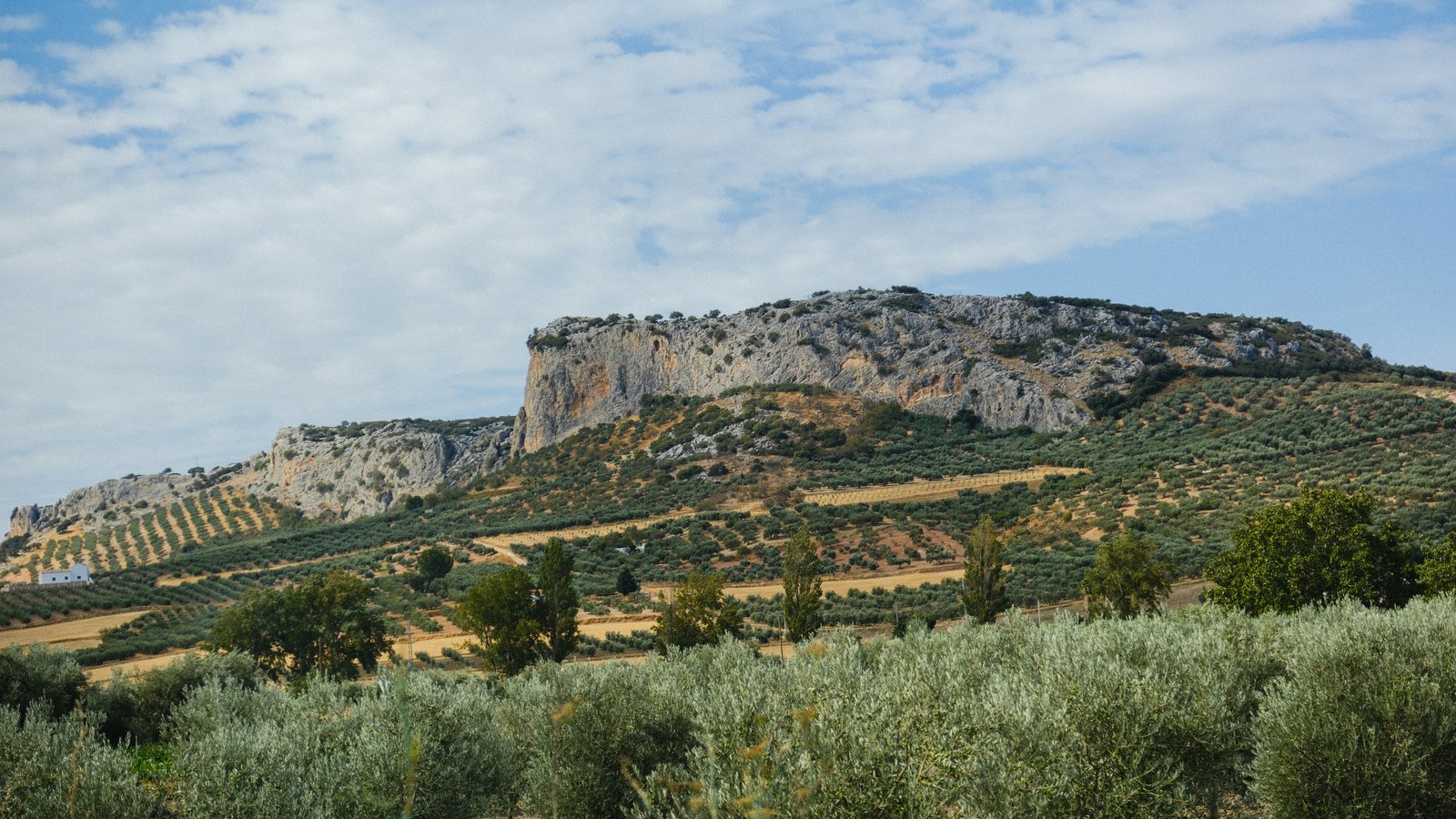
For twenty years, “Costa del Sol property” has meant the coast. Marbella, Estepona, Benalmádena, Fuengirola — the strip of municipalities running west from Málaga airport. That’s still where most international transactions happen. But over the last few years a quieter shift has been taking place: international buyers have been moving inland.
We work both sides. Eight coastal cities, eight inland Andalusian towns across the Guadalhorce valley and the Sierra de las Nieves. Here’s the thinking on when one fits and when the other does.
What “inland” actually means here
Inland Málaga, in our coverage, means towns that are 30–55 km from Málaga airport, sitting between the coast and the Sierra de las Nieves mountain park. The Guadalhorce valley — Alhaurín de la Torre, Cártama, Coín, Pizarra, Álora — runs north from the airport. The Sierra de las Nieves villages — Guaro, Monda — sit higher into the mountains, half an hour from the coast over the road.
It’s not the Andalusian countryside in a romantic abstract sense. These are working market towns with weekly markets, schools, doctors, and a proper Spanish rhythm. Mostly Spanish-speaking, increasingly with international neighbours.
The price-per-m² gap
The headline driver is the maths. Coastal prices in much of Marbella and Estepona have pushed past €5,000/m² for resale stock and well over that for new-build. Inland — depending on the town and the sub-zone — the equivalent property type is often a meaningful step lower. We don’t quote a single-number gap because it varies wildly by exact spec, but the direction is consistent: more property for less money inland.
You also get land. A finca with citrus or olive groves, mature trees, a pool, twenty minutes from the coast, costs a different number than a coastal apartment with the same livable square-meterage.
When inland is the right call
In our experience, inland fits buyers who:
- Want a primary residence rather than a holiday let. The long-stay rental market on the coast is strong; the second-home market inland is too. But the inland thesis is mostly about owning and using.
- Are comfortable with the Spanish rhythm. Inland towns are not tourist economies. Restaurants close in August. The pharmacy is shut from 2 to 5. If that’s a feature, you’ll love it. If it’s a bug, you won’t.
- Need land or privacy. Rural fincas don’t exist on the coast at any sensible price. They do inland.
- Have flexibility on commute time. 30–55 minutes to the airport, 20–40 minutes to the coast. If you’re a remote worker who flies twice a month, that’s fine. If you need to be on the beach at lunchtime, you’ll regret it.
When the coast still wins
Short-term rental yield is mostly a coastal play. The community of operators, the guest demand, the marketing channels — all are tilted toward the coastal cities. We do manage rentals in inland towns through long-stay agreements, but ROI-focused investment via VUT is a coastal thesis.
Year-round walkability — pavements, restaurants, shops within five minutes — is also coastal. Fuengirola, Benalmádena Costa, La Carihuela in Torremolinos, Estepona old town, Marbella centre. Inland towns have walkable centres but they’re smaller and more Spanish.
Same regulatory framework
One detail that matters: the regulatory framework is the same on both sides of the mountain. The 3/5 community-of-owners vote applies inland just as it does on the coast. VUT processing through the Junta de Andalucía takes the same 1–5 days everywhere. Annual N2 filing is due every February for all active VUTs in Andalucía.
What’s different is the practical regulatory environment. Inland towns have fewer apartment buildings and more standalone houses, so the community-vote rule is less of a daily issue. Rural fincas have their own due-diligence list — water rights, septic systems, access road titling — that doesn’t exist on coastal apartments.
How we work both sides
Glaser covers 16 places: 8 coastal cities along the Costa del Sol plus 8 inland Andalusian towns. We tell honest buyers which side fits the goal. If the answer is “the coast” we say it. If it’s “inland” we say that. We’re as comfortable walking a finca in Coín as we are an apartment in Puerto Marina.
The decision isn’t usually obvious in the first call. By the third or fourth conversation, it usually is.